In the annals of Crewe Alexandra's storied history, the year 1992 stands out as a defining moment for the club, as they clinched promotion to the Football League for the first time. The Railwaymen's ascent to the higher echelons of English football was not merely about a change in division; it was a sign of the club's commitment to youth development and a reflection of the vibrant community spirit that pervades Crewe.
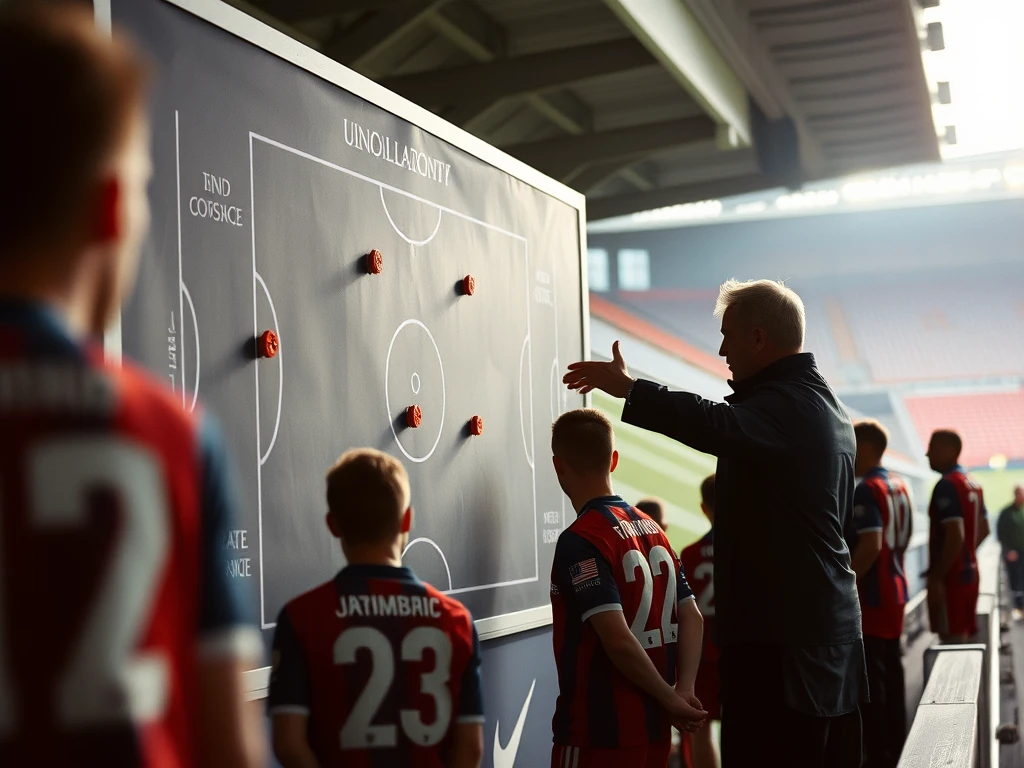
Under the management of Dario Gradi, a figure synonymous with the club, Crewe Alexandra had been focusing on nurturing young talent, a philosophy that would later define the club's identity. The 1991-92 season was a culmination of hard work, dedication, and a belief in the potential of the academy system that Gradi had championed. Players like Neil Lennon and Rob Jones emerged from the youth ranks.
The key moment came on the final day of the season, as Crewe faced a must-win scenario against their rivals. The atmosphere at Gresty Road, now known as Mornflake Stadium, was electric, with fans turning out in droves to witness what was at stake. The passion of the supporters, combined with the players' determination, created an unforgettable environment that would be etched in the memories of those present.
Securing promotion not only raised Crewe Alexandra into the Football League but also established the club as a respected entity within English football. This achievement opened doors for the development of future stars, with Crewe becoming known as a breeding ground for talents who would go on to enjoy successful careers in football. The likes of David Platt, who would later shine on the international stage, were just the beginning of a legacy that saw Crewe's youth academy become one of the most revered in the country.
The impact of that promotion reverberated through the subsequent years, as Crewe Alexandra continued to build on its successes, often competing against clubs with far greater financial resources. The Railwaymen's ability to compete, despite their limited budgets, showed the effectiveness of their youth-oriented approach and earned them respect across the footballing landscape.
As we reflect on this important chapter in Crewe's history, it's key to understand that the 1992 promotion was not only a moment of sporting triumph; it was a signal of the club's identity and ethos. The community of Crewe rallied around the Railwaymen during that time, embodying the spirit of resilience that continues to define the club today.
Even in the face of recent challenges, the legacy of that promotion serves as a reminder of what can be achieved with unity, determination, and a commitment to nurturing young talent. As Crewe Alexandra aims to carve out a new chapter in their history, the values established during that key moment in 1992 remain as relevant as ever, lighting the path forward for the next generation of Railwaymen.