 Crewe Hub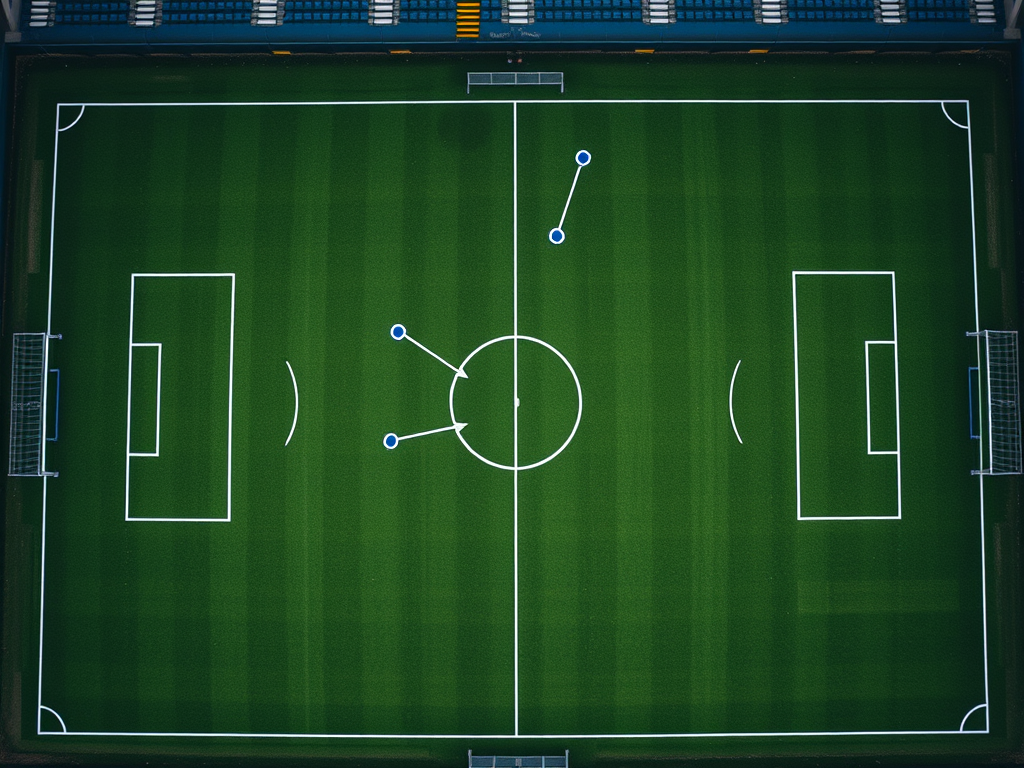
Questions about tactics linger as the season progresses: can Crewe evolve enough to escape the drop zone? In recent weeks, managerial adjustments have reshaped both the formation and approach. The shift from a rigid 4-4-2 setup to a more fluid 4-3-3 indeed raises eyebrows, but the results speak volumes.
The central midfield trio has become key, allowing them to control the space more effectively. Against Colchester, the change led to a 2-1 victory, which provided a much-needed boost. Analysing their average positions on the pitch, it is clear that players like O. Armstrong have excelled in the new role, contributing defensively and offensively.
Against tougher opponents, this formation offers more flexibility, letting Crewe adapt seamlessly. The wingers can now cut inside, a tactic that has led to several goal-scoring opportunities. For instance, in the last match against Gillingham, the interplay between the attackers resulted in a beautiful team goal, one that showcased their growing chemistry.
While there's still room for improvement in defensive cohesion, these tactical adjustments nourish hope among fans. Observers may argue that the results will ultimately define this approach's success. Yet, if the Railwaymen can build on this framework, they might just secure their League Two status and aim higher next season.