
A Vision for City Status
The prospect of Crewe becoming a city is more than just a matter of administrative title; it’s about identity, growth, and recognition. For a town long known for its railway heritage, achieving city status could signal a new chapter in its development. With ongoing discussions regarding infrastructure improvements and community engagement, the journey towards city status reflects the aspirations of its residents.
Crewe’s historical significance in the railway industry has shaped its character and economy. Yet, as the town evolves, it must confront the challenges and opportunities that come with potential city status. The question isn’t just about local governance but also how such a transition could affect community spirit and civic pride.
Infrastructure Developments: The Key to Growth
A significant factor in the bid for city status is the ongoing infrastructure projects that promise to enhance connectivity and accessibility. The East West Rail (EWR) project, a £6 billion initiative, aims to connect Oxford and Cambridge, creating a transport corridor that could benefit Crewe immensely. With improved rail links, Crewe could become a key junction, attracting businesses and residents alike.
The EWR project is expected to not only boost local transport but also stimulate economic growth in the region. Enhanced connectivity could lead to a surge in employment opportunities, making Crewe an attractive location for young professionals and families. This influx could solidify the town’s case for city status, providing a tangible foundation for its aspirations.
What This Means for Crewe
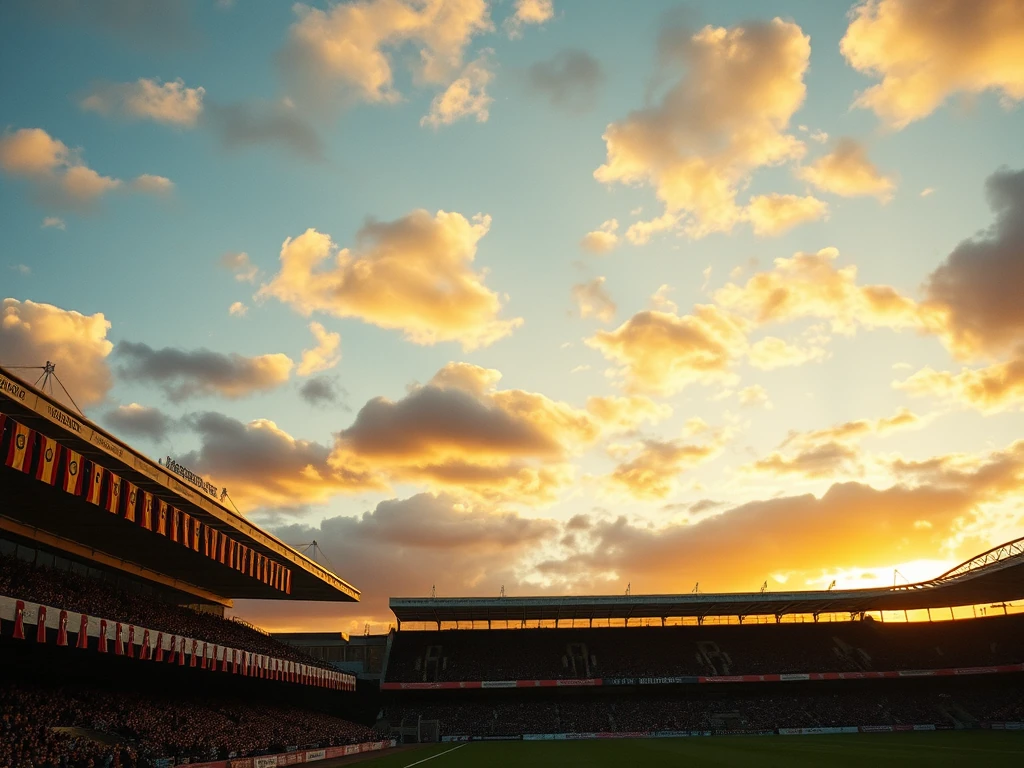
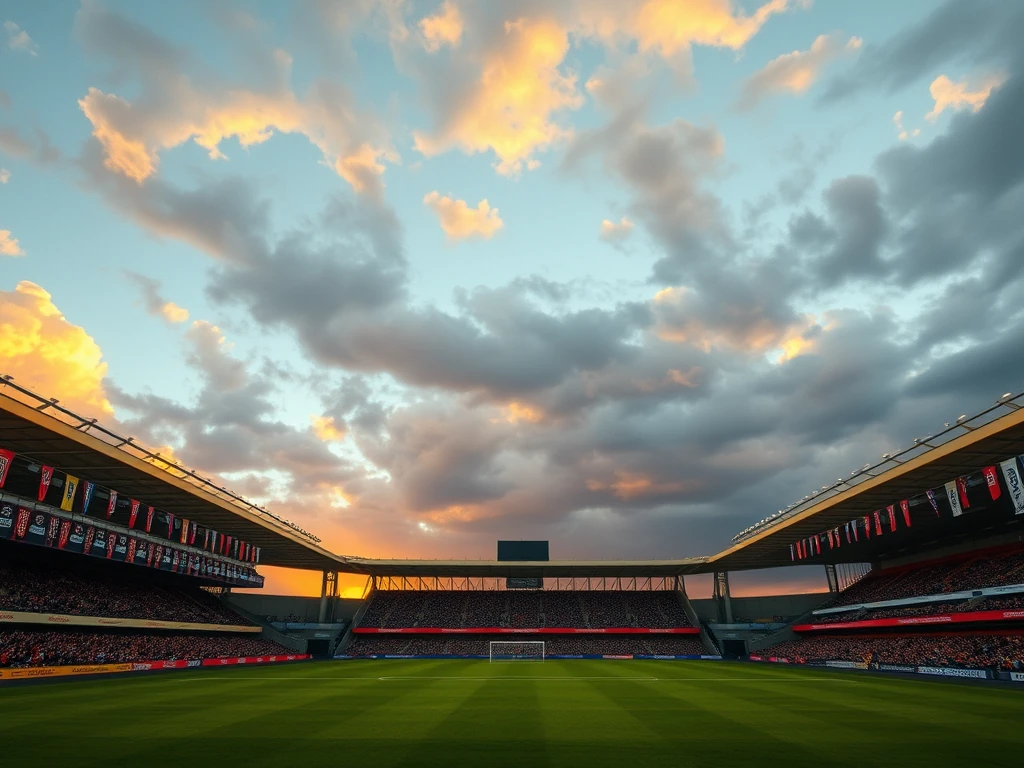
For fans of Crewe Alexandra, the potential transition to city status resonates on many levels. Increased investment in infrastructure could lead to improved facilities at Gresty Road, home of the Railwaymen. This might also enhance the matchday experience, attracting larger crowds and fostering a stronger sense of community.
Additionally, city status could raise the profile of the football club, potentially drawing attention from sponsors and media outlets. As Crewe Alexandra handles the challenges of England League Two, this added recognition could provide a much-needed boost, both financially and for club morale.
- City status could attract investment and sponsorships.
- Improved infrastructure may enhance matchday experiences.
- Increased local pride may support the club's community initiatives.
Community Engagement: The Heart of the Matter
Community involvement is vital in the push for city status. Local leaders and residents must unite to articulate a clear vision for the future. Engagement initiatives, such as public consultations and forums, have become essential tools for gathering input from diverse segments of the population.
Residents like Virdee have voiced their hopes and concerns, and it's key that their perspectives shape the narrative as Crewe moves forward. Building a sense of ownership and pride among residents can transform the push for city status into a collective movement that embodies the spirit of Crewe.
Critics will argue that city status may not automatically translate into improved living conditions or economic benefits. Skeptics highlight that many towns have received city status without seeing significant changes in their socio-economic landscape. It’s essential for Crewe to develop a solid plan that goes beyond mere title changes.
The Wider Implications for Local Football
City status could also have implications for the broader football community in Crewe. With the potential for increased local investment, Crewe Alexandra might find itself better positioned to compete in England League Two. This could lead to enhanced recruitment strategies, allowing the club to attract promising talent from other regions.
The club’s youth academy has long been a source of pride, and a city designation could provide the necessary resources to develop young players further. If these initiatives succeed, Crewe could emerge as a footballing hub, fostering local talent while also drawing attention from larger clubs looking to scout new players.
What's Next
As the final public consultations regarding Crewe's bid for city status approach their conclusion, the next steps will be critical. Local officials will need to present a compelling case to the government. If successful, the journey toward city status could redefine Crewe's identity and future, both for its residents and its football club.
Anyone who's followed Crewe’s development will know that this is just the beginning. The town stands at a crossroads, and how it handles this journey could have lasting implications for generations to come.