
The recent changes to train services between Birmingham and Crewe have stirred up a wave of questions and concerns among local fans and commuters alike. What was initially framed as a necessary adjustment has unveiled issues that weren’t fully disclosed. These cuts not only affect travel but also ripple out into the community and the club's operational dynamics.
Understanding the Service Cuts
The announcement of service cuts on the West Coast Main Line (WCML) caught many by surprise. Initially touted as a way to simplify operations and improve efficiency, the reality has proven to be far more complex. With fewer trains running between two major hubs, the implications extend beyond mere inconvenience.
- Reduced Frequency: The number of trains operating between Birmingham and Crewe has decreased significantly, leading to longer wait times.
- Increased Costs: Fewer services could lead to increased fares, as demand for remaining slots might push prices up.
- Impact on Local Economy: Businesses that rely on foot traffic from commuters may see a downturn in revenue, affecting jobs and services.
This shift has not only disrupted travel plans but has also raised eyebrows concerning the transparency of the decision-making process.
What This Means for Crewe
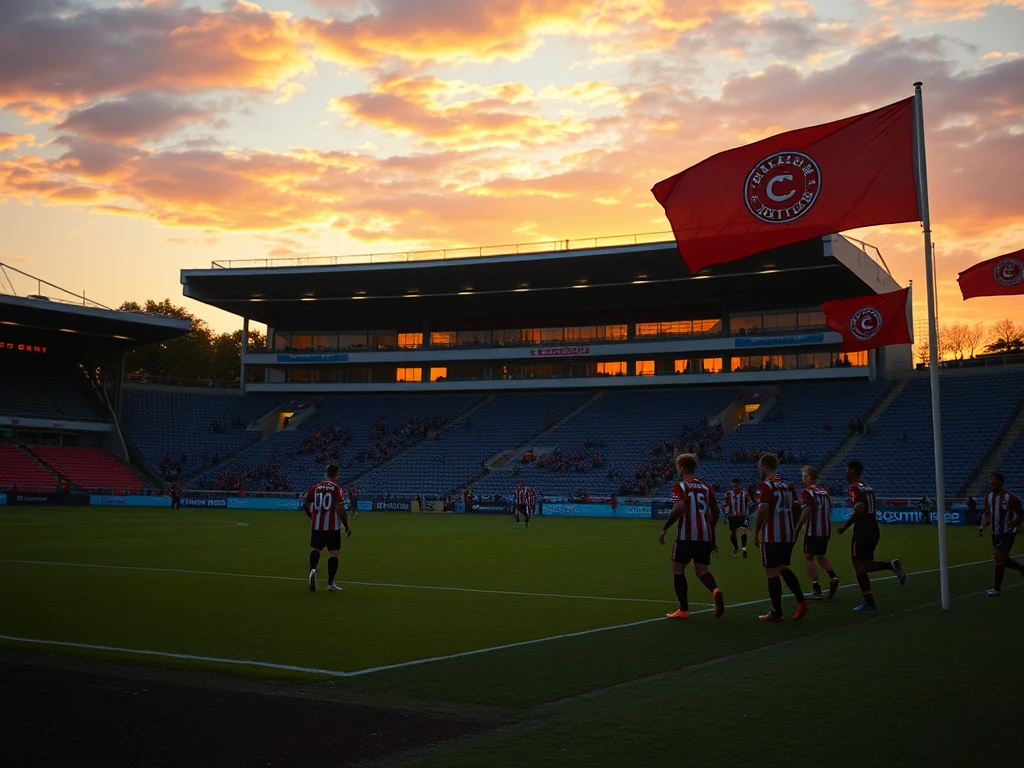
For fans of Crewe Alexandra, the implications of these cuts are particularly pronounced. The local club, affectionately known as The Railwaymen, thrives on a vibrant fan base that often travels for matches. Reduced train services could hinder attendance, especially for away games.
If you’ve followed the club this season, you'll know how key fan support is, especially during tough matches where morale is key. With diminished travel options, the atmosphere at matches could be impacted, leading to a less vibrant experience both on and off the pitch.
Also, with fans potentially opting for alternative travel arrangements, the direct connection between Crewe and its larger metropolitan neighbours could weaken, isolating the club further in a competitive landscape.
Fan Reactions and Concerns
The sentiment among the supporters has been overwhelmingly negative. Many fans have taken to social media to express their frustration, citing the cuts as a betrayal of trust.
- Accessibility Issues: Many fans feel that the cuts make it harder to attend matches, especially for those relying on public transport.
- Concern Over Future Cuts: There’s a growing fear that this could be just the beginning, with future cuts looming on the horizon.
- Economic Impact: Local businesses connected to the club, such as pubs and merchandise stores, worry about the drop in foot traffic.
The emotional connection between fans and their club is palpable, and these cuts have only heightened concerns about the club's long-term viability and connection to its community.
The Wider Context of Train Services
The cuts to Birmingham-Crewe services reflect a broader trend in railway operations across England. With budget constraints and shifting priorities, many regional services face scrutiny.
Critics point out that while efficiency is important, the social consequences of cutting services often outweigh the purported benefits. In a sport where community is everything, these cuts could signal a troubling trend toward prioritizing profit over people.
- Historical Patterns: Previous cuts have often led to public backlash, but decisions tend to remain unchanged.
- Future Outlook: With increasing calls for transparency, the hope is that railway authorities will reconsider their approach to service delivery.
- Potential Alternatives: Some fans have begun to advocate for alternative transport methods, including carpooling and local shuttle services.
Counterpoint: Economic Efficiency vs. Community Needs
Critics will argue that the cuts are necessary for economic efficiency, especially in challenging financial times. They posit that reducing service frequency can lead to lower operational costs, which might, in turn, allow for investment in other areas of the railway system. This view suggests a long-term strategy where initial discomfort can give way to more robust railway services in the future. However, the immediate impact on fans and local businesses cannot be ignored.
As these service cuts roll out, the focus will turn to how communities, including Crewe, respond and adapt. There’s a growing call for dialogue between railway authorities, local businesses, and fan groups to address these changes collectively.
For Crewe Alexandra, the club must handle these challenges while maintaining its connection to the fanbase. The next few months will be key in determining how well the community can rally together to support one another in the face of adversity.
while the cuts from Birmingham to Crewe may have been framed as operational necessities, the reality is a complex web of implications that impacts every facet of life for fans and the local community. The need for a more transparent dialogue is evident, and it's up to both the authorities and the fans to ensure that the voices of the community are heard loud and clear.